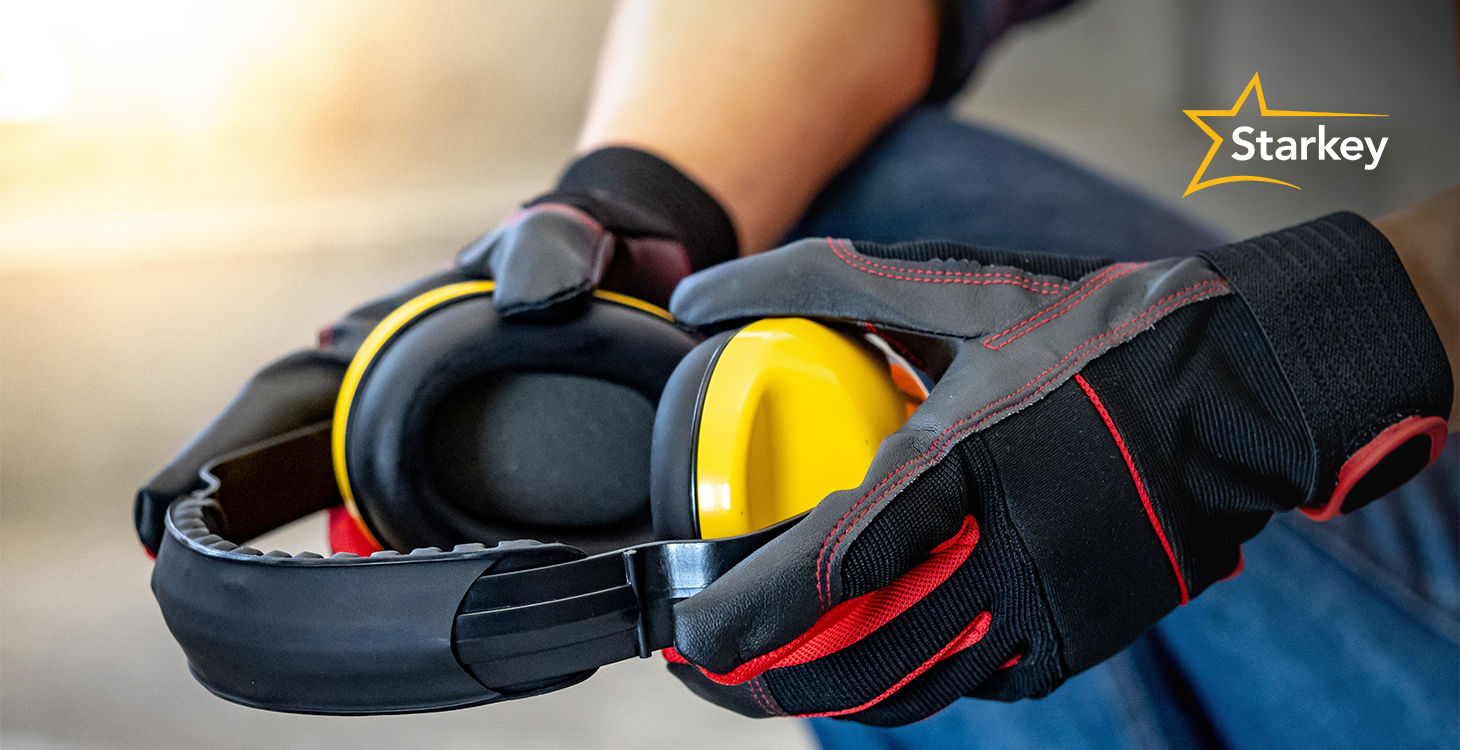
Noises are all around us. Some are pleasant, like birds chirping in the park. Some are harsh, like a jackhammer on a construction site. So, where or when does noise become damaging to our hearing?
What better time to explore this question than Protect Your Hearing Month, which starts today—when we raise awareness of noise-induced hearing loss and steps we can take to prevent it.
Noise-induced hearing loss (NIHL) is the second-leading cause of hearing loss after aging and impacts nearly 40 million U.S. adults aged 20–69, according to the Centers for Disease Control and Prevention (CDC). NIHL occurs when excessively loud noise damages the hair cells in your inner ear and the hearing nerve.
Noise can damage hearing immediately (if it’s sudden or impulse, like a rifle shot or firecracker near the ear) or over time (if it’s continuous and higher volume, such as music from earbuds or noise from power tools).
If the noise exposure is excessive, the hearing loss may be permanent and irreversible.
Fortunately, there are things you can do to help protect against NIHL—and we’ll get into them shortly. But first, let’s talk about 7 activities where the risk of hearing damage is higher—some obvious, some not so obvious.
1. Public transit
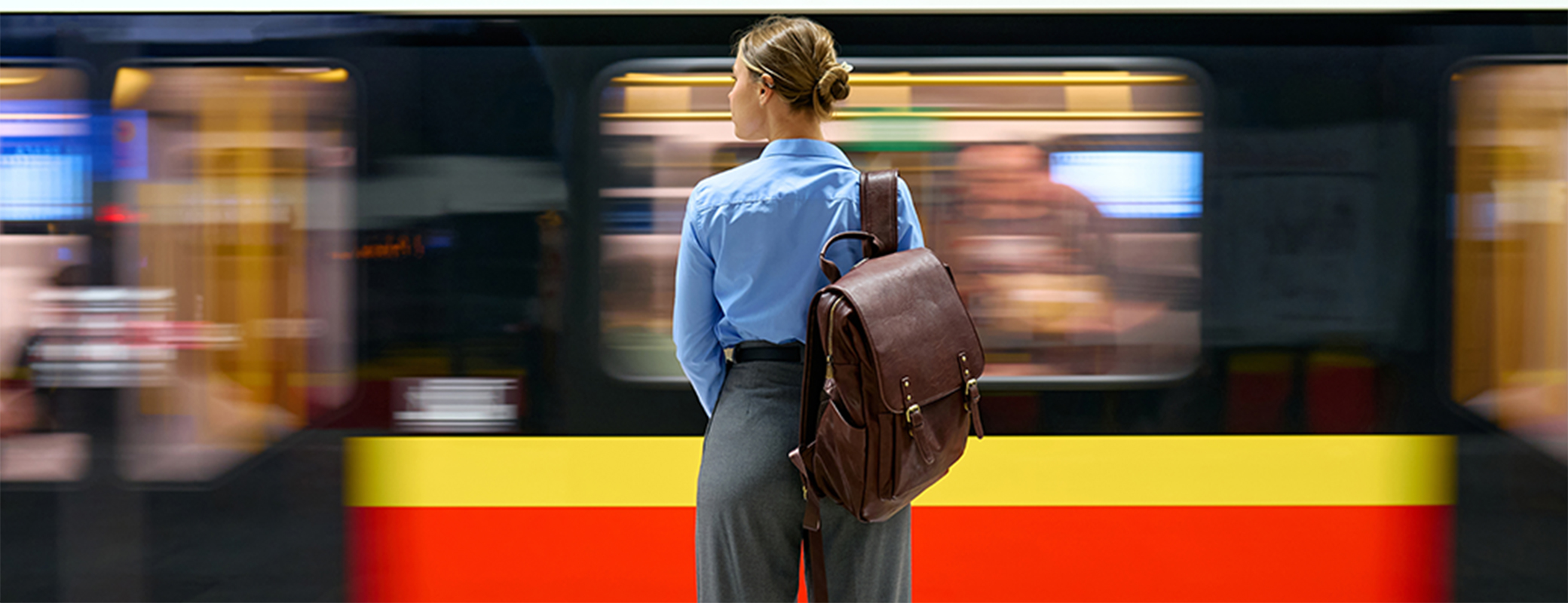
When you picture taking public transit such as a train or bus, you may imagine sitting back peacefully with a book while someone else handles the traffic, right? However, research uncovered that riding public transportation may put us at risk of hearing damage, due to the frequent exposure to sudden noises such as bursts of compressed air, screeches of metal wheels against steel tracks, and so on. All of these sounds were found to exceed safe decibel levels for hearing (decibels are the measurement used to assess noise levels).
The most at risk of noise exposure? Cyclists, who have no barriers from the noise.
2. Sporting events or concerts
It probably comes as no surprise that stadium-type venues hosting live concerts or sporting events are filled with extremely loud noise by the moment—from crowds cheering in the stands to music booming from your favorite bands. But what’s fun in the moment could affect your hearing long-term: According to the National Institute for Occupational Safety and Health, it’s possible to lose some of your hearing even after a few minutes of loud noise at a rock concert, due to high noise levels. And when it comes to sporting events, hearing damage can occur in less than a half an hour.
3. Dining out
Restaurants have become increasingly louder these days—for reasons ranging from interior design choices (sparse, minimalist interior causing reverberation) to the quest for bigger profits (restaurants purposely playing loud music or merging bars with dining areas to create “fun” atmospheres for attracting customers). But just when we thought restaurant noise was merely an annoyance, research found that noisy dining may put us at risk for hearing damage:
“In addition to adversely affecting the subjective quality of the dining experience, environments that require a person to raise their voice to be understood [at] an arm’s length distance suggest an ambient sound level sufficient to create a risk for noise-induced hearing loss,” the authors of the study stated.
4. Hunting
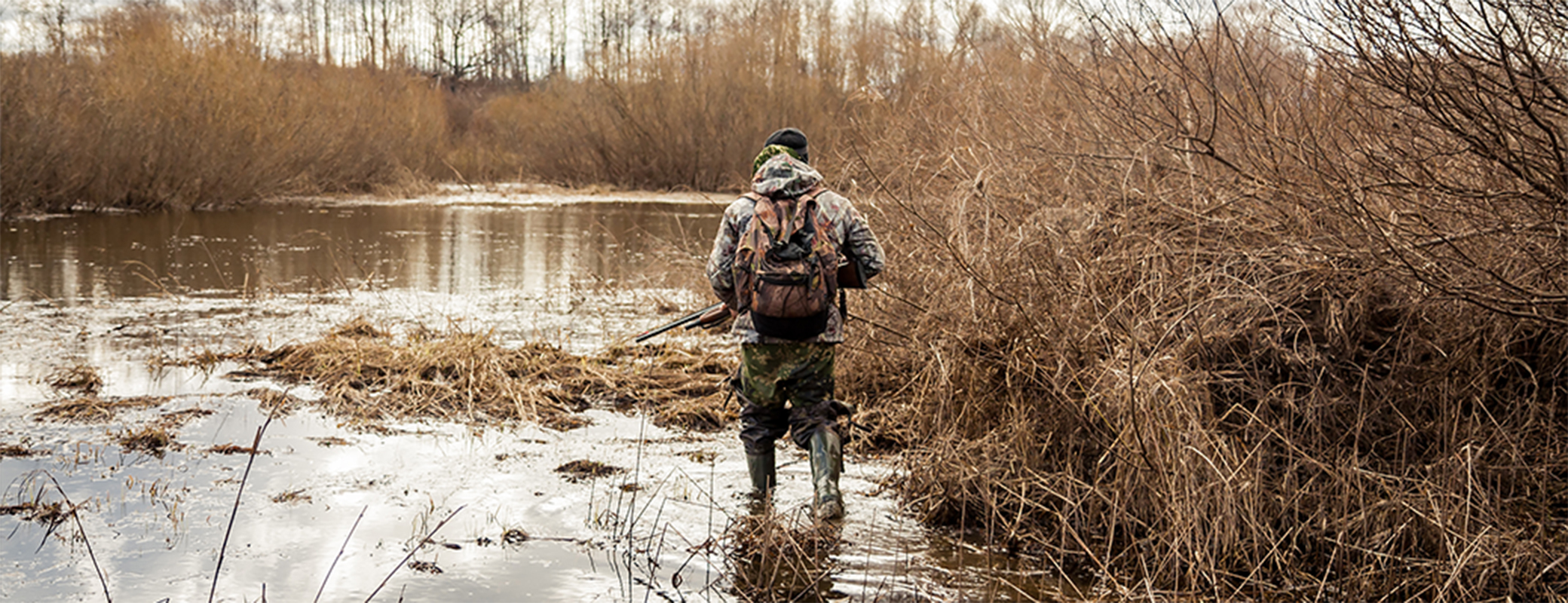
Remember when we mentioned that noise can damage hearing immediately? This is exactly where hunting comes in. Research has shown that, when it comes to recreational pastimes involving firearms, hunting (particularly waterfowl hunting) poses the biggest risk for permanent noise-induced hearing loss.
Furthermore, studies confirm that our auditory systems can sustain “greater damage from impulse noise as compared to continuous noise,” and the recovery “may be only partial and require an extended time.”
5. Group fitness and cycling classes
You may not initially notice the high noise levels amongst the upbeat, high-tempo pop music that fills the background of your gym, or the cheerful yet commanding voice of your headset-wielding workout instructor (both often blaring, let’s face it). But researchers discovered that noise levels in fitness classes—from aerobic to spin—can exceed the maximum levels believed to be safe for hearing.
In fact, group fitness classes in particular frequently exceed 90 decibels and often exceed 100 decibels—similar to noise from a rock concert or a siren.
6. Yardwork and home improvement
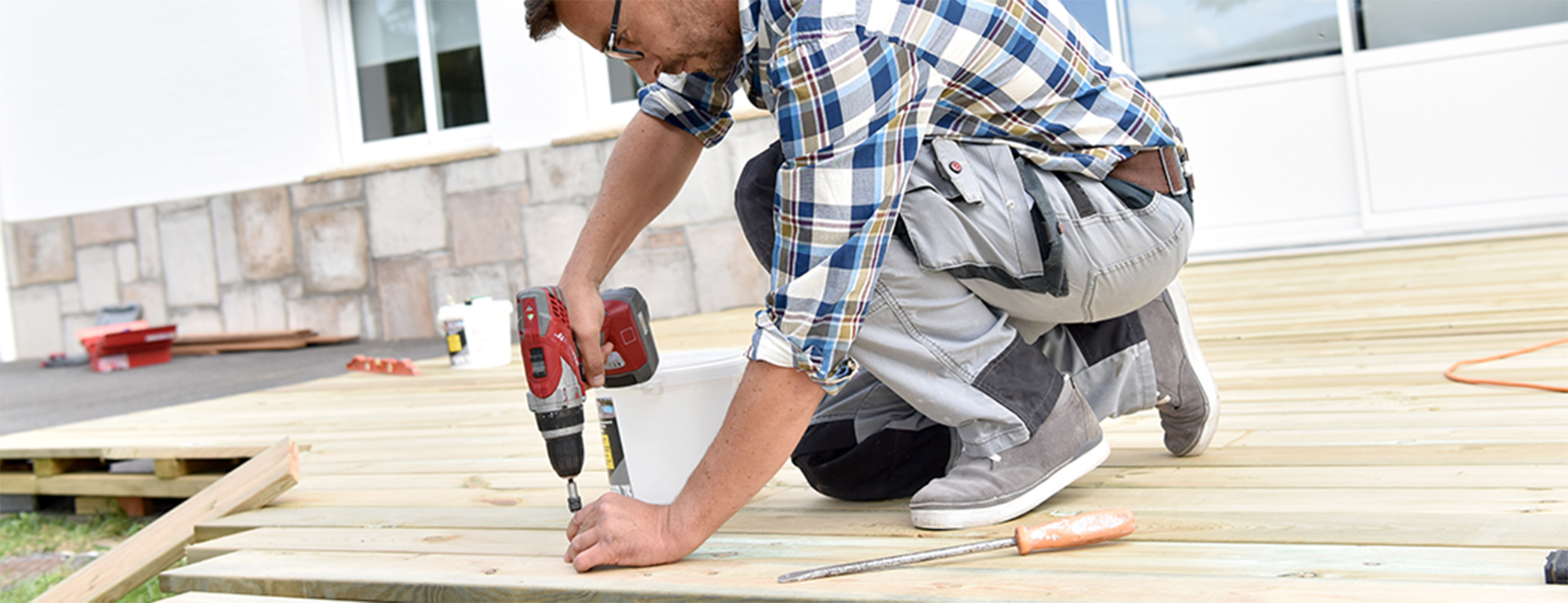
Doing something as everyday as lawn care or do-it-yourself home projects can come at the cost of hearing, particularly if you use tools such as gas lawn mowers, leaf blowers, chainsaws or electric drills (case in point—nearly 50% of construction workers have hearing loss, according to the CDC). For example, electric drills can damage hearing in less than a minute, and lawn mowers, just 15 minutes.
Important reminder: Listening to music through headphones while using a mower or similar can increase NIHL risk even further from turning up the volume to hear over noise.
7. Using headphones or earbuds
Streaming music or videos through headphones or earbuds is an enjoyable pastime, but it’s important to stay cognizant of volume level. Truth be told, many home audio devices have a maximum volume of 110 decibels—enough to harm hearing in only 5 minutes. A general guideline to remember: If others can hear your audio, it could be loud enough to harm your hearing.
Now that we know how present the risk of NIHL can be in daily activities, what steps can we take to protect our hearing?
Wear hearing protection
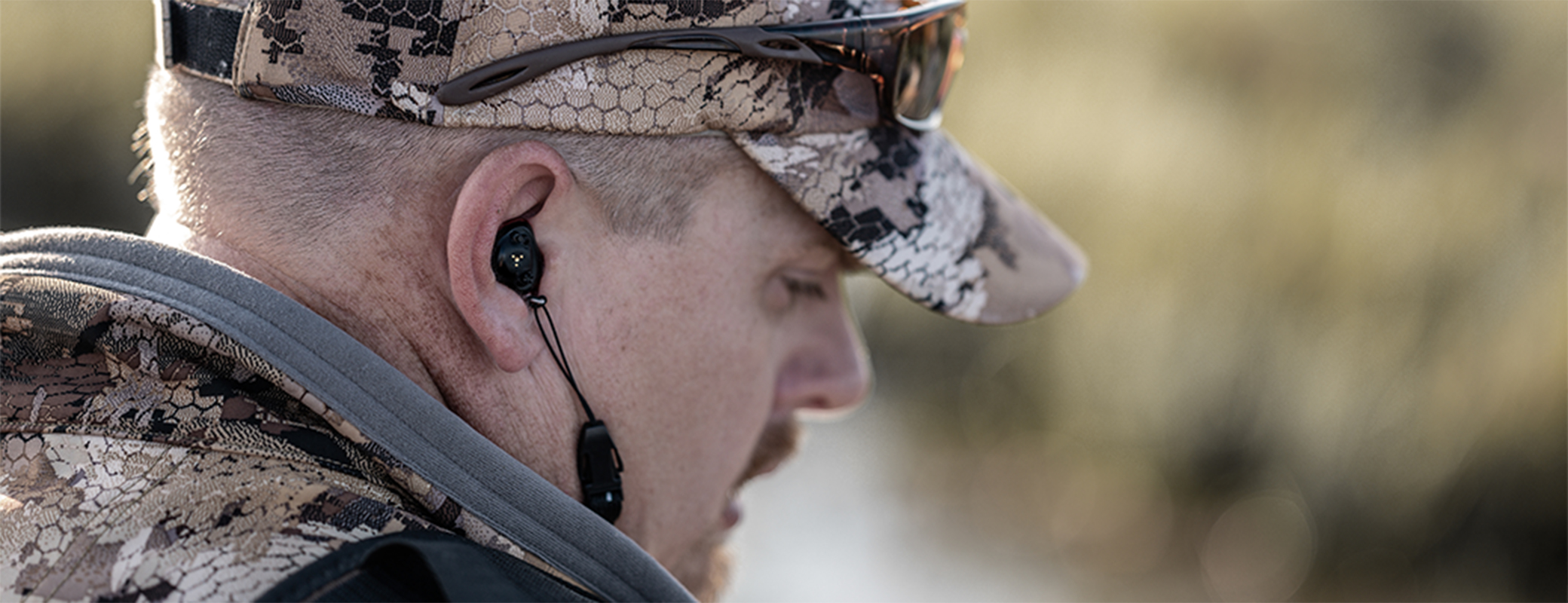
Worn in (earplugs) or on (protective earmuffs) our ears, hearing protection devices are designed to physically block sound waves from entering the ear so fewer decibels of sound can get in and potentially cause damage. They are ideal for safeguarding hearing in situations with either sudden/impulse or continuous noise—everything from hunting to using power tools to attending live concerts, and so on.
SoundGear Phantom custom-molded devices are a top choice for hearing protection, featuring state-of-the-art digital technology that instantly suppresses loud sounds when they occur while enhancing necessary sounds like speech and environmental cues. So, you can stay aware of your surroundings while protecting your hearing.
Monitor noise levels
Maintaining awareness of noise levels around you can help inform if and when to protect your hearing. The American Speech-Language-Hearing Association, for example, offer sound level charts (see “Dangerous and Safe Noise Levels” here) that show common daily noises and how safe or harmful to hearing they may be, from a decibel perspective.
Plus, sound meter apps—like the highly effective SoundCheck Live—can tell you in the moment whether noise may be safe or damaging to hearing. Free and easy-to-use, SoundCheck Live monitors sound wherever you are and displays current, average, and maximum noise levels in decibels. It will even indicate whether levels are OK, loud, or require hearing protection.
Practice daily preventative measures
Taking small, simple steps each day to protect your hearing from NIHL can make a big difference. These include avoiding loud, noisy places when possible; limiting exposure to loud household sounds; and taking noise breaks.
Can’t avoid noise? Wear hearing protection.
Questions? Visit a hearing care professional
The more we know, the better we can protect our hearing—which is why it’s a great idea to contact a licensed hearing care professional if you think you may have NIHL or would like to learn more about hearing protection. Either way, they can help you find today’s best solution for your individual needs.
There's no time better suited than Protect Your Hearing Month to start taking care of your hearing health. Simply type your zip code in here to view a list of providers near you.